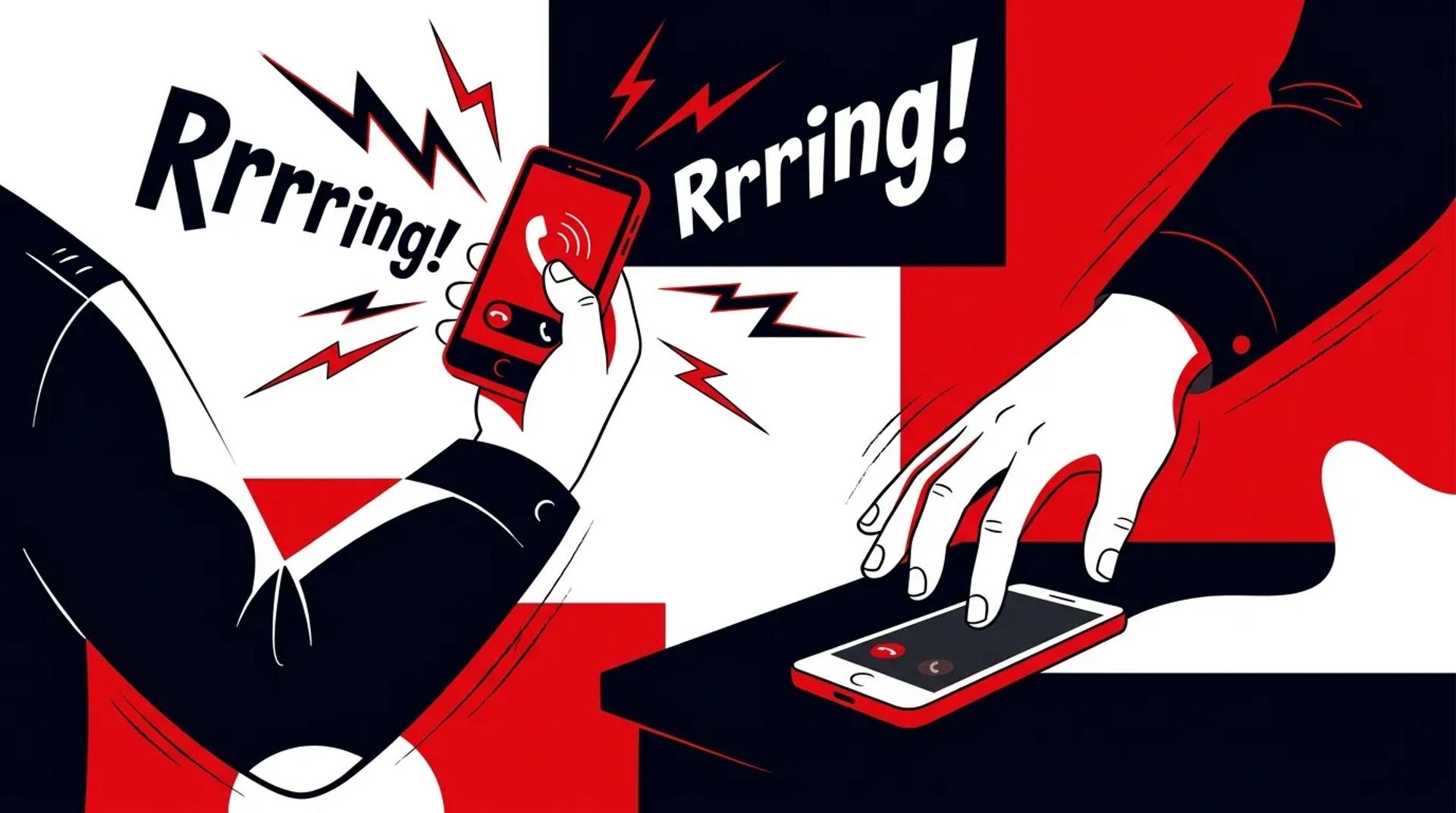

A lead that waits 10 minutes is half as likely to book as a lead that gets a response in under 60 seconds. That is not a theory. It is a pattern we see across every home service vertical we manage.
The math is simple. You spend real money generating leads through Google Ads, LSA, and Meta. Each lead costs $40, $80, sometimes $200+. And then that lead sits in a queue for 15 minutes while your CSR finishes another call. By the time someone responds, the homeowner has already booked with your competitor who answered first.
Speed to lead automation exists to eliminate that gap. Not by hiring more CSRs. By making sure every lead gets an immediate, intelligent response. Day, night, weekends, holidays. No exceptions.
Why speed still determines win rate
The data on response time is clear and consistent across industries. But in home services, the stakes are higher because of two factors:
Urgency-driven demand
When a homeowner’s AC dies in August or a pipe bursts at midnight, they are not building a comparison spreadsheet. They are calling the first 2-3 companies they find and booking with whoever responds first. A 5-minute delay is not a minor inconvenience. It is a lost sale.
Shared-lead competition
If you buy leads from platforms like Angi, Thumbtack, or HomeAdvisor, speed is everything. Those leads go to 3-5 companies simultaneously. The first company to make meaningful contact wins the job 60-78% of the time. Second place finishes with scraps.
Here is the conversion curve we consistently observe:
| Response Time | Relative Booking Rate |
|---|---|
| Under 1 minute | Baseline (100%) |
| 1-5 minutes | 85-90% of baseline |
| 5-15 minutes | 50-60% of baseline |
| 15-30 minutes | 25-35% of baseline |
| 30+ minutes | Under 15% of baseline |
Every minute of delay costs you money. Not hypothetically. Directly, from the leads you already paid for.
Where manual response breaks down
Most home service companies rely on CSRs to handle inbound leads. That works during business hours when call volume is moderate. It breaks in three predictable scenarios:
After hours and weekends
40-50% of home service leads come in outside standard business hours. Form fills at 10pm. Calls at 6am Saturday. If those leads sit until Monday morning, you have already lost the majority of them. After-hours lead response is not a nice-to-have. It is where a significant portion of your revenue leaks.
High-volume periods
During peak season, call volume spikes 2-3x. Your CSR team that handles 80 calls a day is suddenly fielding 200. Hold times increase. Callbacks get delayed. The leads you paid the most for (because CPCs spike in peak season too) get the worst response times.
Multi-channel inbound
Leads arrive via phone, form fill, chat, and text. A CSR on a call cannot simultaneously respond to a form submission. Multi-channel lead flow requires either a large team or an automated first-response system that keeps every channel covered.
How automation protects lead value
Speed to lead automation does not replace your sales team. It protects the leads your marketing generates by ensuring immediate, consistent first contact.
Here is how it works in practice:
- Lead arrives via form, chat, or missed call
- Automated response fires within seconds. SMS or voice, depending on the channel. The response is conversational, not robotic. It confirms the customer’s need and offers to schedule.
- Qualification happens in the conversation. The AI asks about job type, urgency, and preferred timing. It captures the information your CSR would normally collect.
- Booked appointment or warm handoff. If the lead is ready to schedule, the system books directly into your calendar. If the lead needs a human conversation, it creates a priority callback with full context.
The key difference from a generic chatbot: an AI booking assistant built for home services understands the language, urgency patterns, and booking workflows of the industry. It does not just answer questions. It moves leads toward a booked appointment.
What the economics look like
Let’s run a realistic scenario for a mid-size HVAC company:
Current state (manual response):
- Monthly ad spend: $25,000
- Leads generated: 350
- Average response time: 12 minutes
- Booking rate: 35%
- Booked jobs: 122
- Cost per booked job: $205
With speed to lead automation:
- Monthly ad spend: $25,000 (unchanged)
- Leads generated: 350 (unchanged)
- Average response time: 30 seconds
- Booking rate: 52%
- Booked jobs: 182
- Cost per booked job: $137
That is 60 additional booked jobs per month from the same spend. At a $2,500 average ticket, that represents $150,000 in additional monthly revenue. The automation did not generate a single new lead. It captured more value from leads you were already paying for.
| Metric | Manual Response | Automated Response | Delta |
|---|---|---|---|
| Response time | 12 minutes | 30 seconds | -96% |
| Booking rate | 35% | 52% | +49% |
| Booked jobs/month | 122 | 182 | +60 |
| Cost per booked job | $205 | $137 | -33% |
| Estimated monthly revenue | $305,000 | $455,000 | +$150,000 |
What metrics prove it is working
Speed to lead is measurable. Track these four KPIs weekly:
- Average response time. Measure from lead arrival to first meaningful contact. Target under 60 seconds for automated channels.
- After-hours booking rate. Compare booking rates during business hours vs. after hours. With automation, the gap should narrow significantly.
- Lead-to-booked conversion rate. The ultimate proof. Are more leads converting to booked appointments? Track this by channel and time of day.
- Cost per booked job. If response speed improves and booking rates go up, cost per booked job should decline even if ad spend stays flat.
Review these metrics alongside your ad platform data. The goal is to isolate the impact of faster response from other variables like seasonal demand or campaign changes.
Frequently asked questions
Will customers know they are talking to an AI?
The best AI booking assistant systems are transparent but conversational. Customers typically do not mind automated interaction when it is fast, helpful, and gets them to a booked appointment. What they mind is waiting on hold or leaving a voicemail that never gets returned.
Does this work for all home service verticals?
Yes. We have seen strong results across HVAC, plumbing, electrical, roofing, and pest control. The urgency dynamics are slightly different by trade, but the core principle holds: faster response equals higher booking rates.
What happens if the AI cannot handle a complex request?
It escalates. A properly built system recognizes when a lead needs a human and creates a priority callback with full context. Your CSR picks up the conversation with the customer’s name, job type, and urgency level already captured.
How does this integrate with my existing CRM?
Speed to lead automation systems connect to your CRM via API. Booked appointments, customer records, and source tags flow into your existing workflow. There should be zero manual data entry required.
Faster response. More booked jobs. Same ad spend.
You do not need more leads. You need to stop losing the ones you already pay for. Speed to lead automation is the single highest-ROI investment most home service companies can make in their marketing infrastructure.
Book a Strategy Call to see how automated lead response would impact your booking rates and revenue.
References
- Lead Response Management Study, originally published by Dr. James Oldroyd (MIT / InsideSales.com)
- Google, “The Need for Mobile Speed” (Think with Google)
- HubSpot, “Speed to Lead: Why Response Time Matters” research report